
Vol. 11
On art, design, and the obsessive critic...

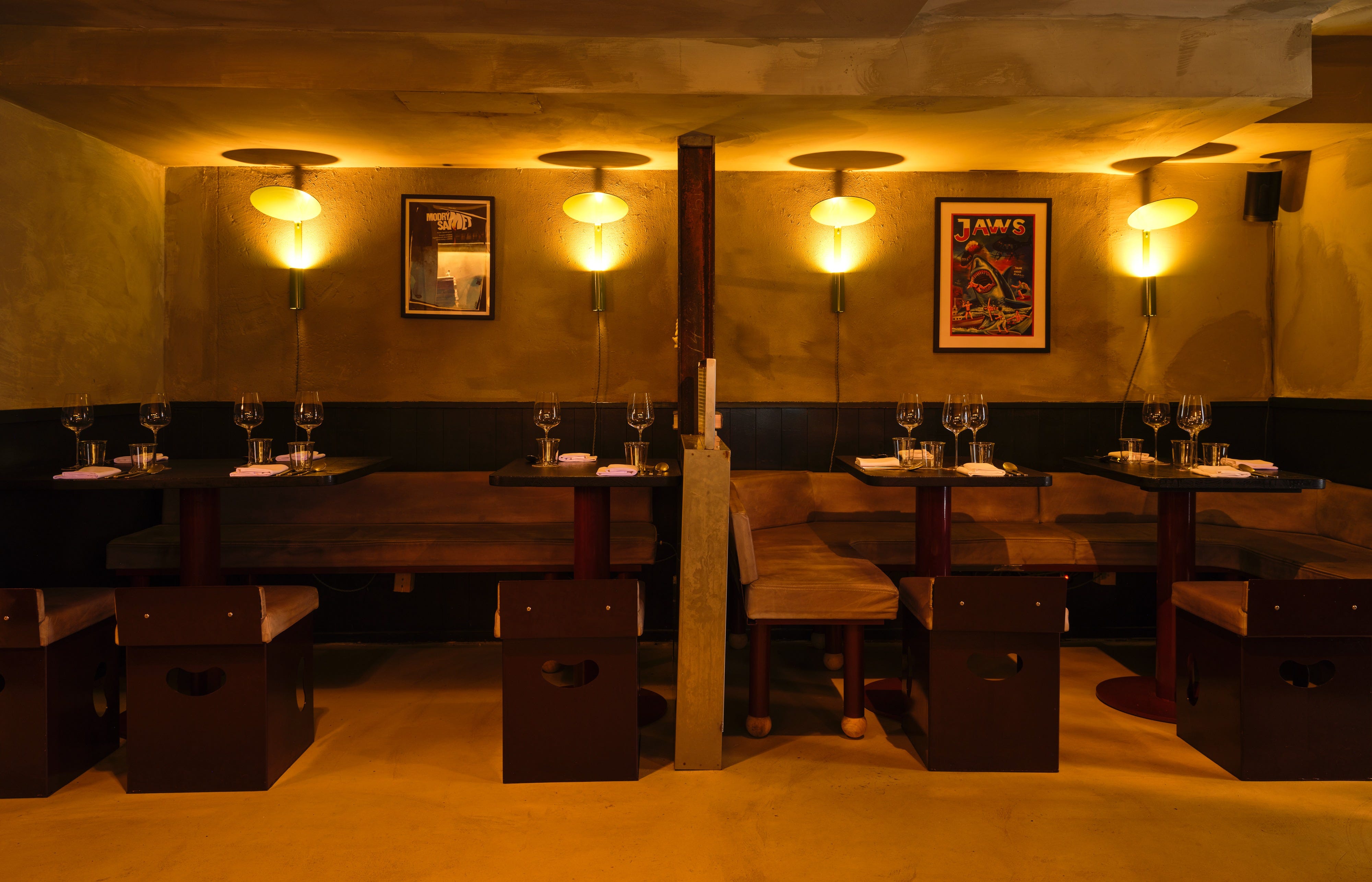
We’ve been lucky enough to have many write-ups of Smithereens comment on the design of the space. Some have compared the restaurant to the below-deck quarters of the Pequod or to a “cottage on an island off Maine,” while others deemed it more “sexy submarine.”
The seed for this issue came by way of wanting to do a deep-dive into how Smithereens got its brooding, seawashed style—and that’s not possible without talking to Ian Chapin, designer and fabricator of the space. The plaster walls? The sliding door to the wine cellar? The powder-coated steel chairs and banquettes in the front room? All Ian. Over drinks at Banshee, Chef Nick Tamburo spoke to Ian about his almost accidental foray into restaurant design, and the creative process behind our digs.
From there, this issue evolved into one about art and design, about the funny ways a singular performance, painting, or space can evoke lingering emotion. In a piece on Salman Toor, Nikita Malhotra relives a childhood spent wandering the galleries of the Met (come for the insights, stay for the Zohran Mamdani cameo), and in a piece on Edward Gorey, Euan McVey wonders at the collapse of the blessedly bitchy critic.
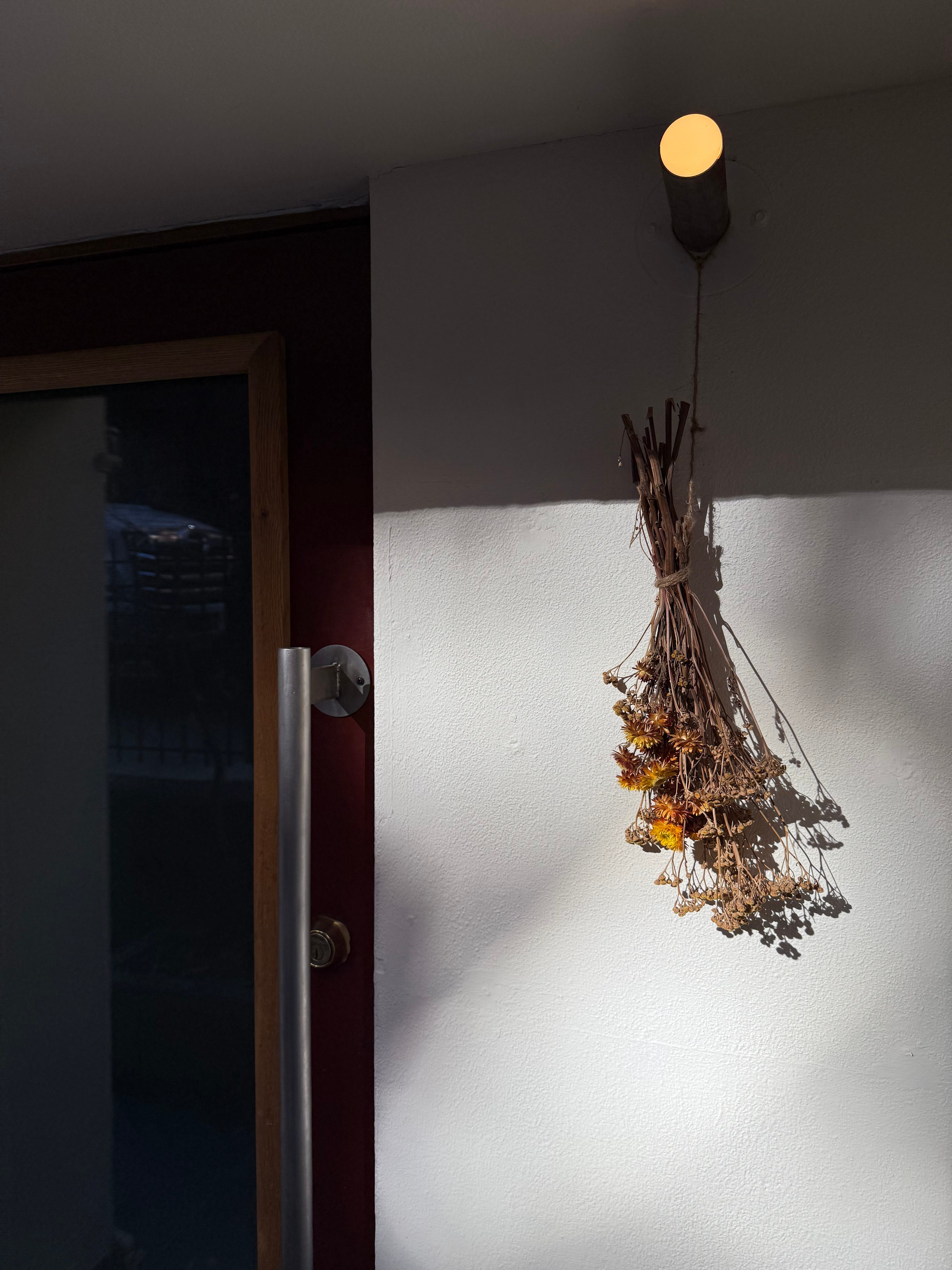
Before reading on, a call to join us tomorrow night, 12/9, for the next edition of the Smithereens Book Club. Our friends from Pickerel in Providence are coming to town, slinging bowls of ramen alongside some special à la carte dishes from the kitchen from 6-10 pm. Perfect cold-weather grub.
In Ligaya Mishan’s wonderful shout-out to Smithereens in the just-released New York Times list of best new restaurants in New York, she notes: “It feels right to have to descend into this dark basement restaurant devoted to New England’s rugged coast.” While a great restaurant, and a great meal, can happen in any space—there is something special, we think, that happens when you walk in and the space winks at what to expect. Come down and meet us here in the oceanic depths, where a sudden encounter with an abalone skewer under the glow of candlelight will hopefully be something you remember for a long time to come.
See you soon,
Smithereens
p.s. You didn’t think we’d leave you hanging for NYE, did you? Sneak peek below…
First up: Pickerel x Smithereens
Tomorrow night, for one night only, Chef Scott LaChapelle and the team from Providence institution Pickerel will be serving up “stuffies” (iykyk) and ramen from 6-10 pm. Come in from the cold and sidle up to a bowl of noodles, along with some special dishes from the kitchen including Smithereens Sashimi™, potato salad with trout roe, and Dungeness crab.
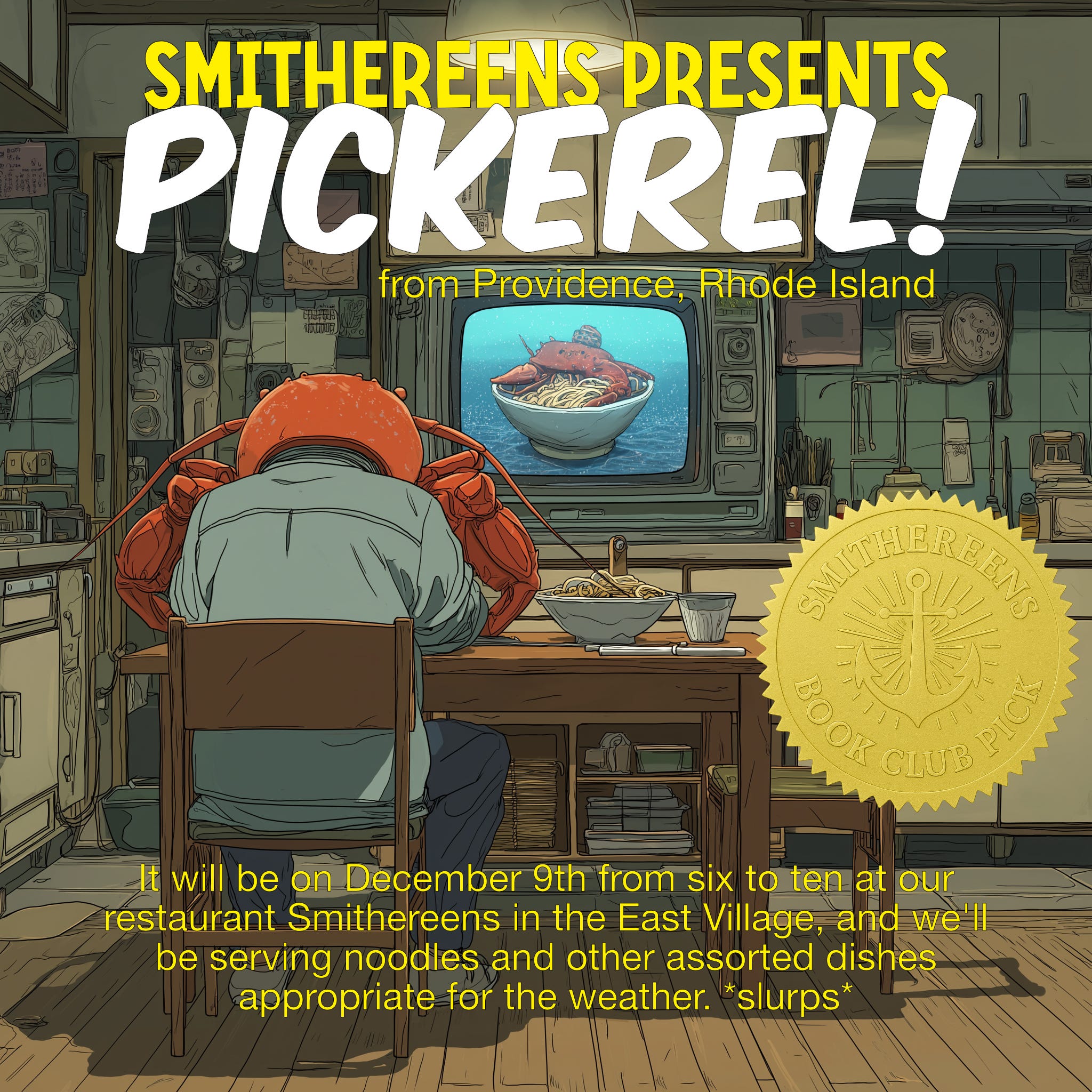
Pickerel is a little ramen shop located in Providence, Rhode Island, that began as a pop up in 2020 and opened as a brick-and-mortar in 2022. An industry-focused spot, Pickerel offers creative, crushable drinks and traditional ramen paired alongside a curated beverage and dessert program. With an almost weekly rotating menu featuring noodles made in-house from local and Japanese flour, Pickerel showcases local RI ingredients alongside flavors and techniques gleaned from time spent in Japan.
Q&A: Chef Scott LaChapelle answers the Smithereens Questionnaire
Scott LaChapelle was working in pizza restaurants along the East Coast when he took his first trip to Japan in 2016, encountering a life-changing bowl of ramen in Kyoto. When he returned to the states, he commuted to New York to work at Shimamoto Noodle under renowned ramen master Keizo Shimamoto, and then went on to join the team at Ramen Shack.
In 2020, he started a pop up with his friend (now business partner) Spencer Smith, that became Pickerel, a spot that preaches the pleasures of ramen to all who will listen. In 2023, he was named a StarChefs Coastal New England Rising Star.
What is one thing you will always order if you see it on a menu?
Chicken wings, in any form. My partner and I will tack them on to any meal as if we have a second stomach only for chicken wings.
Where in the world would you most like to travel to at this moment?
Might be an obvious answer here, but Hokkaido, Japan! I’ve yet to travel to the northernmost island, and I’d love to see the snowfall.
It is your last meal on Earth, what are you having for dinner?
Drumsticks slathered in BBQ sauce and burnt on the grill, just how my grandmother makes them.
What is an ingredient that you can’t live without?
Nice shoyu. Doesn’t have to be the most expensive, just nice.
What was the most formative time in your career?
Working for Keizo Shimamoto, helping him run his noodle factory and opening a ramen shop at the same time. Seeing production on that scale and also working with such intense focus was eye opening, and taught me what “hard work” really means.
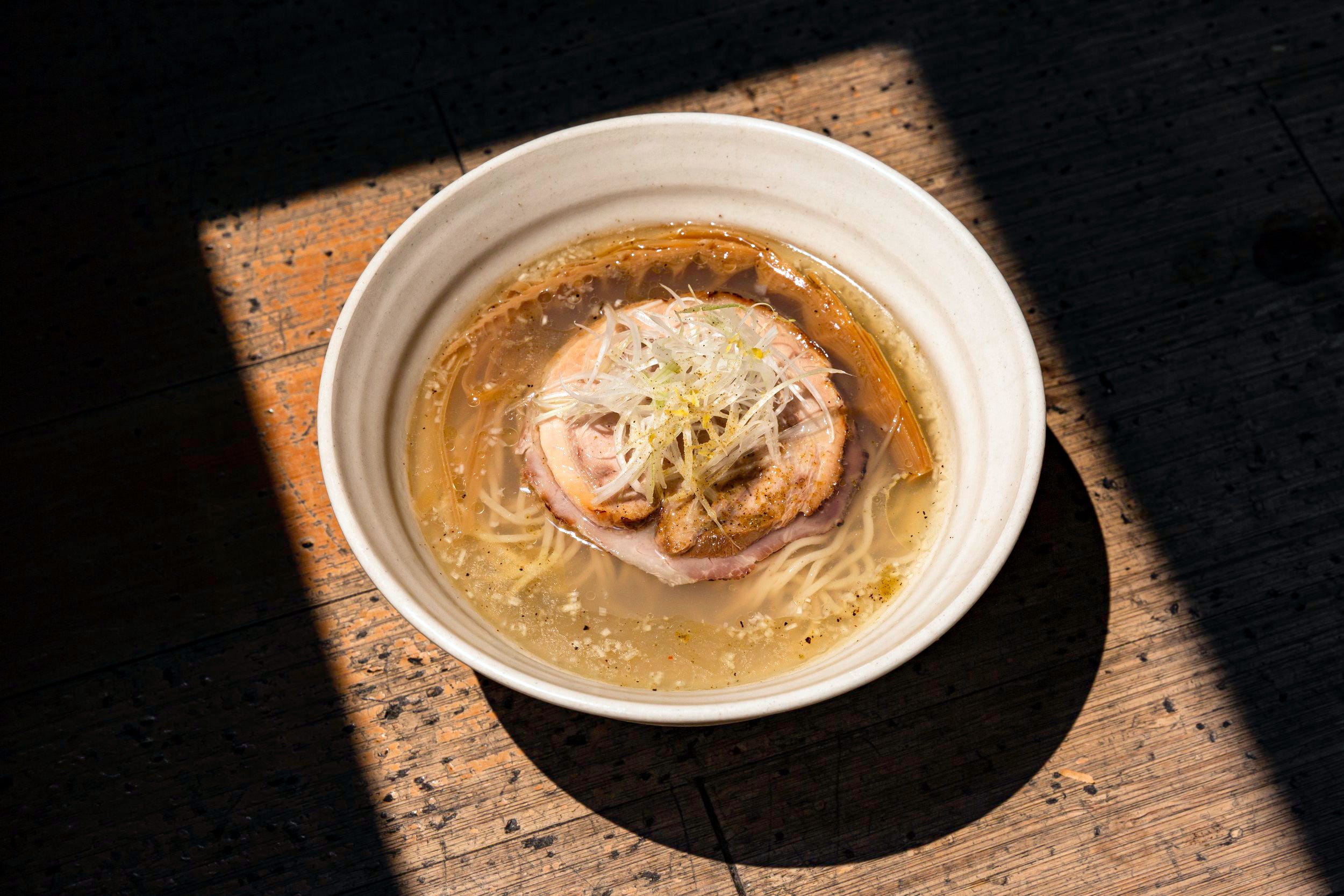
A Chef and a Designer walk into an East Village Bar
Nicholas Tamburo, Chef and Owner, in conversation with designer and fabricator Ian Chapin
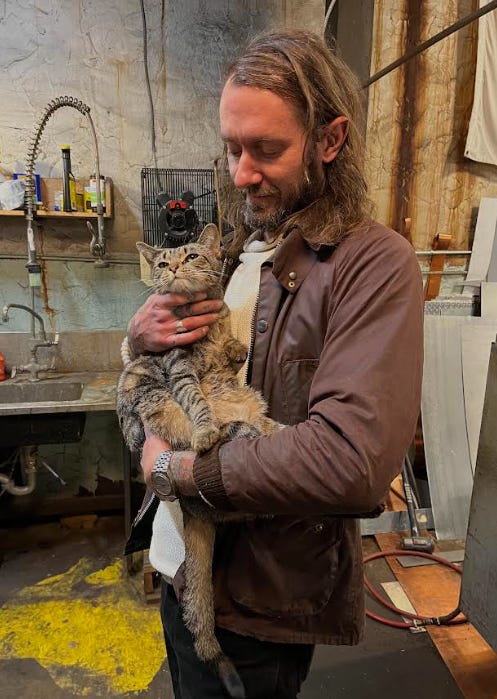
I first met Ian Chapin when we were working on the opening of Claud together. Little did I know that this person would become a good friend and collaborator. Ian has a unique vision and is willing to do whatever it takes to make it happen. Over drinks at the new East Village bar, Banshee, we talked about the design of Smithereens and how he got his start in the business.
You can find more of Ian’s work here: Edselco
Nick: You’re from Alabama - how long have you been in Philly and how did you end up there?
Ian: I’ve been in Philly for hmm…I want to say 17 years now. Somewhere between 14 and 17 years. I was living in Portland, Oregon and I was hanging out with these guys who were buyers for Ralph Lauren. We were drinking buddies and we would complain about work all the time. He was buying these light fixtures and he couldn’t find anybody in Oregon to work on them. Eventually I got drunk one night and was like, “I can figure out how to do this.”
He would bring lights into the bar and I would just look on YouTube to figure out how to repair them. That’s how it started and how I ended up moving to Philly to work for this guy Robert Ogden.
Oh right, the furniture guy. And what did you do for him?
Design work and then basically fabrication. I would build all of his table lamps, chandeliers, stuff like that. He was doing Bar Primi and Ralph Lauren’s first wave in New York. I want to say that was 17 years ago, I might have been 23 at the time. So yeah, I was mostly working on lighting for him.
So what were you doing in Oregon before you started messing around with all these lights?
They were calling me sous chef but I was basically just the nighttime line cook at this bar Radio Room.
Oh that’s so funny. I used to go to that bar when I lived in Portland. That’s the big place on Alberta right?
Yeah I worked there for way too long. It was a weird jump. That’s how I got my start, by basically lying to this guy at the bar. I worked for Ogden for maybe three years and then I got fired for being late, I was late like three days in a row. Which is cool, that’s understandable.
Then I worked for Terence Feury at Fork for a little bit. I was his garde manger (cold station) cook.
Woah so you went back to cooking? I actually had no idea that you used to be a cook.
Yeah, it just made sense to me for some reason. It’s nice to work with people but be away from people. So in the shop or in the kitchen, they are kind of similar in that I’m not around humans. I did that for a while and then a buddy of mine that I had been talking to gave me a job doing the lighting for Michael Mina for 1842 Pub (in Las Vegas). He basically brought me a check for $60,000 and was like, you have to quit your job and do this lighting gig.
A whole restaurant’s worth of lights?
It was basically 10 giant chandeliers. I literally quit my job and had to set up a shop in a week. I had to find space and rent it, buy tools and all this shit.
Oh damn, so that’s basically what incentivized you to open your own shop?
Yeah so the shop’s been open for 12 years now. We’ve moved a couple times but 11 or 12 years.
So how do you go from just doing lighting to designing entire restaurants?
I guess you do some lighting consulting, and once you get into it - it’s sort of like cooking. You think, “I like working with this stuff, I could do this.” It’s curiosity, you just keep finding other ways to do things. And production is kind of the same for everything, so once you figure out how anything works, you just start adding to it.
At first it’s a table, then I started making bookshelves for storage and some chairs, just for me, for the shop. And then it just progressed from there. I guess starting with lighting, which is the most dangerous fucking thing, and then just working backwards from there. You build stuff for yourself and it’s sort of a training process.
What was the first restaurant where you took on the whole project?
Fitler Dining Room, for my friend Robert Marzinsky, a chef in Philadelphia. That was with Chris Sheffield, but it was a full design and build of a 26-seat French restaurant. I think that was the first one that was solo.
I always got brought on as like, a small part of the project. They’re like “oh we want this one light” and then…
And then you end up doing way more than you bargained for? Which still happens all the time -
Yeah, every time. Every day is like that. That’s how it starts. And then word gets around. I’ve never advertised or anything like that. People say “Oh I saw you did this thing…” and everybody’s vague about the actual outline. So when someone asks “Can you design a restaurant?” Eventually you’re like “Yeah sure, I mean, how hard can it really be?” and it just sort of snowballs from there.
That’s the nice thing about this business, it’s all word of mouth. To find a plumber or an electrician or something you can just ask a friend “Hey do you know anyone that can do this job?” And then they’re getting work.
Yeah exactly. Being an architect or designer is supposed to be the same sort of thing as plumbing or electrical. You’re supposed to go to school and train for like 10 years and then go work for a company and learn. So ideally you design your first restaurant as a 36-year-old and you’ve had all this training. There’s a formal approach and then there’s the artistic approach, which I think people in New York are embracing more and more these days. You don’t need to be formally trained to do any of this.
The artist approach to interiors is most interesting because once these architectural firms get this chokehold on a city, then everything ends up looking the same. It becomes a loop where every 10 years you’re tearing down all the work that this one company did and then it starts over.
You had done some work in New York before but Claud was the first restaurant that you fully designed in New York?
Claud was the first one I did start to finish. Chase (Sinzer) was talking to Randy Moon (of Four Horsemen) about finding a designer and then Randy was talking to Joe Beddia (of Pizzeria Beddia) and he thought I would be a good fit for them. I had worked on Pizzeria Beddia and a couple other spaces for him.
Working with those dudes was awesome because they’re very thorough about what they don’t like, which is fantastic, but also very trusting. They’d say, “I don’t think I like it now but we’ll try it out and see if it works.” So everything at Claud is like, from scratch, for better or for worse, tailored to the needs of the space and the moment. Just made up on the spot kinda thing. But yeah you guys being in there working while I was building shit out was kind of wild.
I mean, that was the most educational experience for me. To see how that stuff works. What you need to do to make it happen. I had opened restaurants in the past but usually as part of a big restaurant group or something. So to be able to help make those decisions of “this could go there, that could go here.” It was actually educational for all of us to see that evolution because none of us had really done it before.
For the design of Smithereens, we talked about a lot of different starting points. A pub, an izakaya, Donald Judd…
I think if you look at those three things together as one intersection you can see it.
I guess when you list those three things it makes sense. But on a day to day basis I don’t see much Judd in the space.
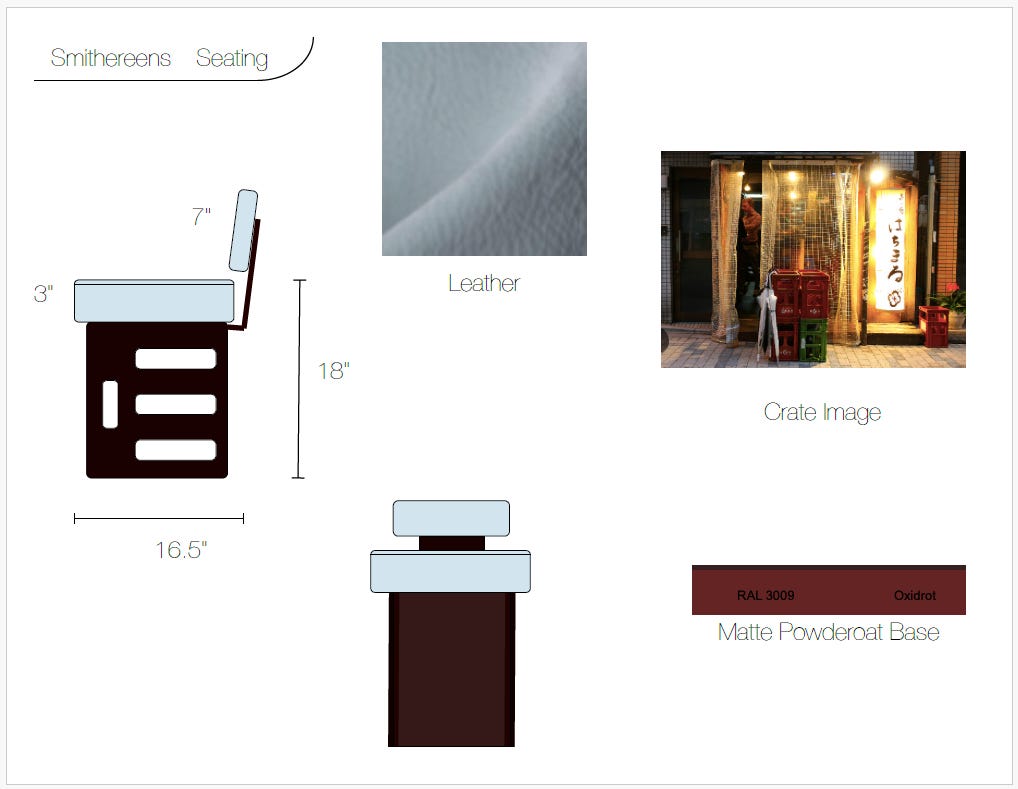
Yeah I mean, our materiality is different. But as far as the way things are structured - the shelves are kind of like his box chairs. Every piece of sheet metal in there is just square formations: the sliding doors, the actual bar stools. There’s some variation but it’s the most utilitarian form that can survive use. There’s some flair to it I guess, like the powder coating and the leather, he would never do that.
Right, right. The chair is a good example. You had sent me a picture of an izakaya chair that was a repurposed milk crate. It’s like a perfect melding of those two things. The chair is basically indestructible.
It’s the best dude. It is very Judd-esque in that it’s like–I just need it to work for this, it doesn’t need to be specifically made for this. Which is really cool. We do a lot of that at Smithereens.
We were definitely given a very unique space to work with.
I mean, it’s a basement.
Yeah, it’s a basement. But we also inherited all of that incredible wood like the bar top.
Yes, the cedar is incredible. The original plaster work they already had in there was made with hay. It’s sick. I guess we sort of had that drive towards the Japanese influence just because of how it was before. Also the utilitarian purpose of things, like the back bar was just that one weird little shelf.
*Ed note: The Smithereens space previously held the beloved sushi restaurant Cagen.
Something that was really important to me was to not have a typical back bar. Here, you just have the painting from Clark (Filio).
I think that existed first right? Or I think you had a study of it because I think you showed me that before I really started designing. It’s not monochromatic but it’s sort of flat in the way that it’s painted. It’s pretty perfect to have as a centerpiece for the bar to build around.
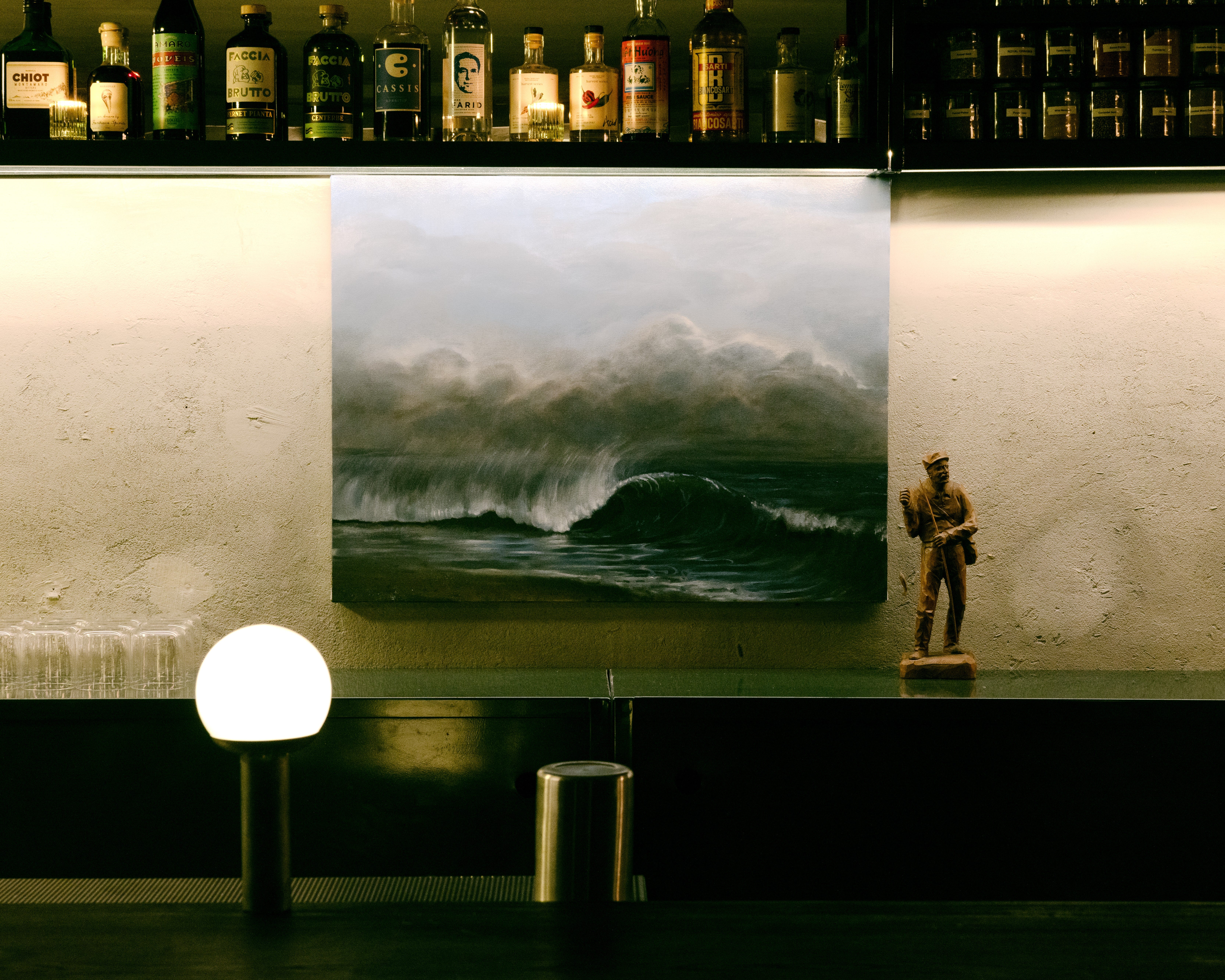
Even though we talk a lot about functionality - the thing that really stands out to me when I go to a space or a restaurant is when something is built for beauty first and functionality second. I love that. There’s just something luxurious about it. The back bar could just be a POS and a bunch of liquor bottles like every other bar, that’s very functional. But it’s ugly.
When I walk into a space and I see that someone made those decisions for design over function, I really appreciate that.
Yeah you need a comfortable space to actually enjoy all of things. Being around other people, the food itself and the service without being distracted by blinking lights and someone constantly tapping on shit and receipts getting printed. It just takes so much away from the magic of the experience.
What else guided us in those early days?
The cedar bar top pre-existing was pretty perfect for us.
Yeah I mean, we decided to burn everything shou shugi ban style, which I’m assuming you had never done before?
Not that size no. Like a four-inch thick chunk of Hinoki cypress is wild. Inside the restaurant with a single hood for ventilation. Really making friends with the neighbors, on day six we were burning things inside with a roofing torch.
There is so much of Cagen that is still present there in the layout, the restaurant basically being chopped up into these little tiny spaces. We sort of had to accept that this space was going to be compartmentalized and not one continuous room with the kitchen as an anchor. It’s almost like the bar up front is its own little room, the banquettes are their own little room. It kind of feels great.
Something I talk about all the time is using materials that don’t feel like they’re breaking down as they get used. They feel like they’re just patinating. Like the plaster or the leather. Some of it’s stained, some of it’s wonky, but it feels good, lived in. It doesn’t feel like we need to replace these things, it feels like somebody’s thought about how these things are going to age, and how the space will continue to change over time.
A Case for the Critic
An exhibit up at the Society of Illustrators (running through Jan 3rd) celebrates the centenary of the birth of artist and writer Edward Gorey. Here, server and bartender Euan McVey reflects on a surprising side of the beloved illustrator.
It is a curious fact that Edward Gorey, multi-hyphenate American illustrator best known for his macabre and gothic stories, was also an avid ballet-goer. He was at the center of a tight group of Balanchine fanatics, holding court nightly in the grand promenade of the State Theater at Lincoln Center. There were entire seasons when Gorey attended each and every performance of the NYCB. On certain evenings, if he disapproved of a dancer, he would simply wait outside in the lobby until it was over. Ballet aficionados gathered around as he delivered devastating, bitchy bon mots about the arabesques and glissades and so forth. He was, in other words, a legendary hater, a fixture of the scene, as passionate about beautiful ballet as he was for his gossipy clique of connoisseurs. Snooty? Yes. Elitist? Inarguably. But it was a scene which rose organically around New York’s dance luminaries of the ‘60s and ‘70s – Twyla Tharp, Merce Cunningham, Alvin Ailey. This was the most exciting city for ballet in the world, and it had an audience of discerning, opinionated, and highly sophisticated critics to prove it.
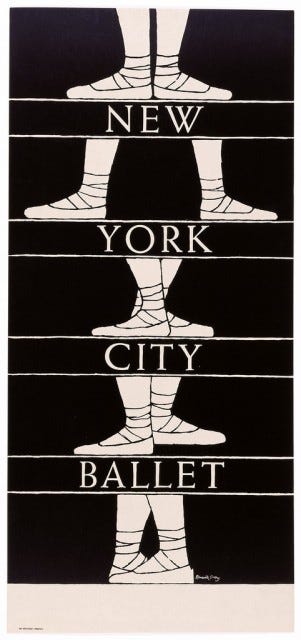
In a remarkable interview from 2010, Fran Lebowitz reminisced about exactly this scene, arguing, “an audience with a high level of connoisseurship is as important to the culture as artists.” Keen audiences scrutinized the ballet dancers with sharp eyes: “If Suzanne Farrell went like this, instead of this – that was it, she might as well just kill herself. There would be like a billion people who know exactly every single thing.” The zenith of the NYCB, she argued, was achieved precisely because of its sensitive, passionate, and bitchy patrons. Lebowitz took it further: when AIDS swept through New York’s intelligentsia and culturati, the scene vanished overnight.
This ballet business smacks of gatekeeping, I realize, a kind of “natural aristocracy,” as Lebowitz puts it: a snobbish audience, insular in parts, fluent in a specific register, judgmental. Yet it was a gatekeeping that felt tied to true artistry, a passion rooted in aesthetic discernment. Best of all, its critics and tastemakers were stylish. They had a point of view. They performed their sacred role with the self-seriousness of the professional diva. I think this is what I miss the most, what I gesture towards feebly when I invoke Gorey or Lebowitz: a force of conviction so strong it serves as a tonic to dilettantism and mannered neutrality. When I imagine that world it feels unreal to me. I mourn its loss terribly.
About a month ago I was out with a friend, a food writer. We were talking shop, as we often do, and a peer at a rival publication came up in conversation. “God, I hate his writing. He’s always such an asshole.” I didn’t know how to articulate that I absolutely adored that quality in his restaurant criticism; in his negative reviews, something waspish and almost patrician, Oscar Wilde in a petulant and foul mood. And in his positive reviews, something arch, knowing, a raised eyebrow and a respectful nod to the artistry of the chef or restaurateur. My friend and I agreed to disagree.
Mark Dery, author of Gorey’s most recent biography, quotes him in a recent interview: “‘You must be modern. You cannot be anything but modern.’ And what he means by that is that in some way you’re always responding to your times.”
Gorey is right, of course. Crowdsourced opinion, the AI-driven algorithm, a kind of “best restaurants near me” approach to dining out—this is what constitutes our culinary moment. What does meaningful response look like against this cultural landscape? It looks like provocation and sensitivity and a deeply-held love of craft. It is a privilege to hear a true fanatic speak about what they’ve spent a lifetime learning about, admiring, obsessing over. To take a page from Lebowitz: a sophisticated culinary scene needs more than just great chefs—what is required today is a great dining public, a critical and particular audience. At a time when reviews can read more like advertisements, florid and breathless, I find a lot to admire about the critic who puts the “C” back in criticism.
—Euan McVey, Server/Bartender
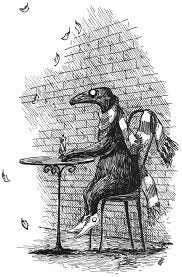
Holiday Hours
We’re celebrating a year of Smithees (and the zine!) with a bit of R&R as we round out 2025, BUT we will be open on the odd Sunday/Monday.
Mark your cal: we’re open Sunday, 12/21 and Monday, 12/22, then closed from the 23rd-26th, but back at it on Sunday, 12/28. Sorry to leave you by your lonesome for a few, but we’ll be back before you know it.
Salmon Toor and the Sublime
—Nikita Malhotra, Beverage Director/Partner
Those early season shots in Gossip Girl where the Constance students are huddled on the steps of the Met make me chuckle. My school was 3 blocks away from those steps, but instead of eating lunch outside, I spent a majority of my time in high school venturing inside during my lunch break; the galleries in the museum becoming part of the architecture of my life as a student.
There is a funny memory I do have of the steps though: a 9th grader once jumped into the fountains (they were quite different then) in full scuba gear and attempted to waddle around before being chased off by security. Even in those snorkeling fins, he managed to evade them, a Charlie Chaplin-esque scuba diver on the loose. The whole thing was caught on camera as an art piece. And now, Sei Smith is a full-fledged artist; you can check out a recap of his performance Free Samples : Donald Judd (2024). My Waldorf school was a great breeding ground for artists of all sorts.
Even after all these years, the Met has the transformative effect of making me feel like a young student again. In college I would come and work through ideas on papers and themes I wanted to explore for my art history minor—the Met serving, still, as a kind of trusted and deeply familiar third space. I knew where the closest bathroom would be, I could take a friend visiting from out of town and walk through the place in an hour, a speedy abbreviated tour. I loved the odd knick-knacks: Fabergé eggs, a letter to Lincoln from a Civil War widow, a collection of brass instruments. The Christmas tree that takes over the medieval sculpture hall, with vintage ornaments and a detailed nativity scene, feels more classically New York to me than the tree at Rockefeller Center.
But life in restaurants over the years has meant I no longer have the luxury to stroll into the museum as I once did. And over the years, curators have come in to add and subtract, galleries have been moved and expanded on. The Greek-Roman exhibit once held a very basic cafeteria that my mother and I would go to for chicken fingers and fries after a morning in the playground. Now the atrium stands unadulterated and spacious, affording someone the space to ponder the thousands of years stored in the sculptures (although I swear the Roman Porphyry basin [bath tub] was there when it was a cafeteria!).
On a visit early this year, I was caught off guard in the contemporary gallery. A radical shift in tone from the rest of the museum, the space is almost comical in its exaggerated departure from the other collections. Natural light is allowed to flood the room, large canvases dominate the walls, and so the space is more exposed and open. The Met didn’t pay much attention to contemporary art when I was a kid, and I only started venturing into the newer galleries after an emotional Rothko exhibit I went to at the Tate Modern my Freshman year. There are other museums and galleries that engage more with contemporary art, but sometimes something magical happens when you find something where you least expect it.
This particular visit I found myself in front of Salman Toor’s piece Fag Puddle with Candle, Shoe, and Flag, and I got lost in it. I think I stood in front of this painting for 2 hours, taken in by the haunting green colors and the objects scattered across the canvas. There were references to painters I had studied—the heavy use of green, with tones like emerald and jade and absinthe, felt in dialogue with Picasso’s blue period. But while Picasso’s blues tend to communicate a coldness, a grief, Toor’s greens felt both inviting and sad, preserving a sense of melancholy but inviting the viewer in. I saw the playfulness of Frida Kahlo, too, how the objects hold more meaning the longer you look. Édouard Manet’s softness and warmth also came through; the way Manet painted eyes—with a warmth and mystery that is mystifying.
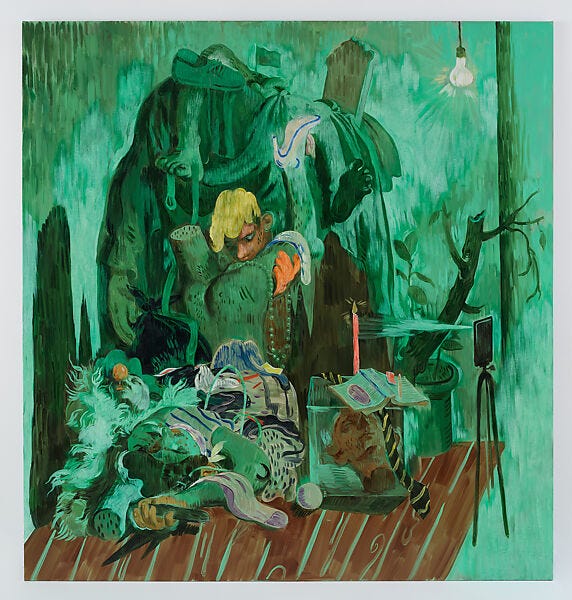
But in Toor’s work I also experience profound moments of recognition as a South Asian. At once, the painting felt both fresh and comforting, modern and nostalgic.
Salman Toor is represented by Luhring Augustine, and this summer his show Wish Maker was featured at both gallery spaces: the Chelsea location was devoted to paintings, and Tribeca to prints and works in charcoal, ink, and gouache on paper. Luckily I was able to go to the exhibits multiple times, chasing that feeling I had when I first saw the painting in the Met.
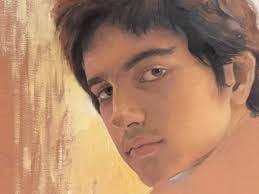
Toor has come up again this fall, specifically for a piece he made some years back of a young Zohran Mamdani.
My experience with wine is very similar to how I view art; there are moments when narrative builds a piece for me and adds value, and there are moments that are more raw, when you can experience the world in a moment of beauty, reminiscent of the Kantian idea of the sublime.
Salman Toor’s art is like that glass of Mosel Riesling that keeps me in wonder, coming back again and again. . .
New Year’s Eve
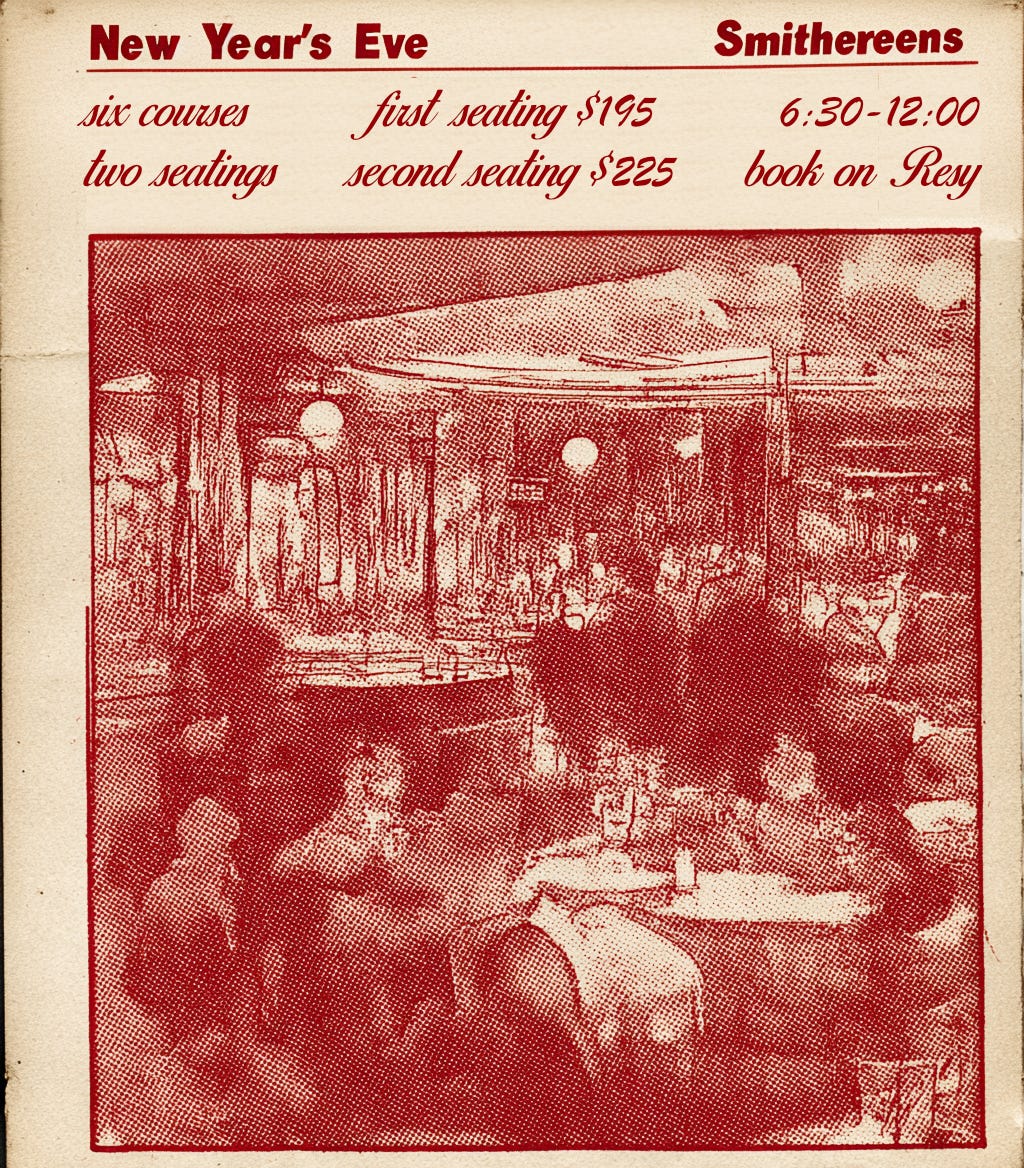
New Year’s in the city can be messy or spectacular. Sit down with us and you’re guaranteed to have a good time. We’re doing two seatings, six courses (the early bird special from 6-9 and then the late shift from 9:30-12). Expect dishes like our buckwheat pancake with Osetra caviar, a medley of raw seafood on ice, beef and Dungeness crab, and a Boston cream pie to top it all off.
Before You Go . . .
We’re here for “freaky little desserts” and even freakier riffs on clam chowder.
Smithees is popping up on some of our most beloved Substacks: Feed Me, Cake Zine, Mahira Rivers, and Olivia Weiss <3
‘Tis the season for best of the year lists, and we’re so grateful to be included in The Infatuation’s best new restaurants list, Resy’s top 10, and this just in: the NYT list of best new restaurants in NYC, and Ligaya Mishan’s top ten dishes of the year (the humble mackerel redeems itself!). At every turn, we’re in such great company with the new kids on the block. Kudos to our team for making it all happen and then some.